
Stopping in the Middle: Encountering Unfinished Projects
- Dana Judkevitch
- Apr 14
- 4 min read
Even before art therapy, there is art.
I have been creating for as long as I can remember, even before my earliest memories.
Both then and now, I have difficulty finishing creations.I do not consciously decide not to finish them. I simply find myself stopping and not returning to the piece.
I have entire collections of unfinished works, in notebooks and folders, in closets and drawers.
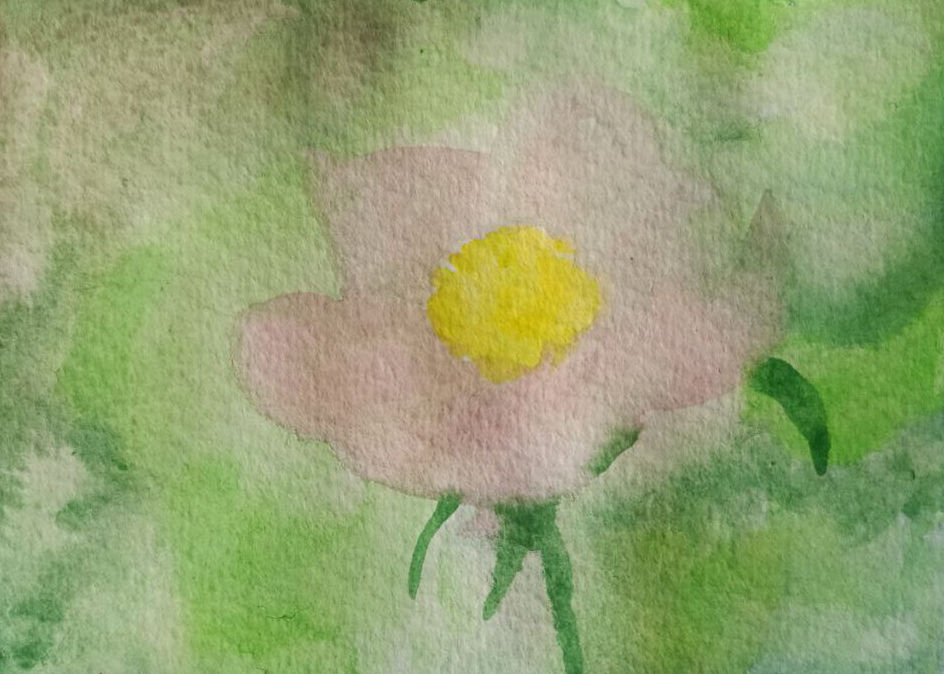
What makes us “stop in the middle”? What prevents us from returning to a piece? How can we finish anyway, and does it even matter?
Sometimes I lose interest in a piece. There was an idea, I tried to bring it to life, and during the process I realized that I no longer liked the idea and had no interest in continuing with it.
Sometimes there is a sense of failure. I cannot manage to carry out the idea, and after several unsuccessful attempts I give up. A feeling of defeat takes over, and I put everything aside. That feeling also makes it difficult to return to the same idea and the same piece.
And sometimes I simply forget about it. I stopped for a moment, went to do a task or left the house, and by the time I returned to my desk I had already forgotten that I had even started something.
These are my personal variations of this experience. You may encounter other reasons why a creation remains unfinished.
One could say that every reason is legitimate, but in truth the question of legitimacy is not very relevant here.
The real question is different: Do you want to finish your creations, or is it okay if some of them remain unfinished?
If you do want to finish them, I can offer a few thoughts:
You can finish tomorrow or even a year from now. If the creation is for you, there is no deadline. Sometimes letting a piece rest for a while and returning to it later allows us to see things differently and gives inspiration space to return.
Something that did not turn out well does not necessarily belong in the trash. Sometimes the “mistakes” are exactly what add interest to a piece, and we can work with them. This requires letting go of perfectionism, because art does not have to be perfect. Even Leonardo da Vinci made mistakes and hesitated about details in his works. In the Mona Lisa, for example, you can see multiple layers of paint and changes in the position of the hands. Making mistakes is okay. We can always correct them or incorporate them into the work.
Sometimes the piece is actually already finished, and we simply need time to realize it. With a second or third look we may see it differently. Visible sketch lines, unpainted areas on the canvas, or traces of earlier drawings can become part of the finished work. Some artists intentionally leave the sketch visible as part of the final piece to show the creative process as well.
We can also let go and allow space for enjoyment, not only for the perfect realization of the idea. The execution did not turn out well, the piece looks “ugly,” and the result is far from the image we had in mind. What can we do then? Let go and play. Spread paint randomly, write words from a song you love, glue unrelated paper cutouts, and simply turn the piece into a game. The game ends when you decide it does, and in that way the piece is finished. This requires letting go of the original meaning you wanted to give it.
It is also possible to accept that art of the soul is not always “beautiful.” Sometimes the idea is expressed and the piece begins to take a shape that you do not like. It may not be aesthetic, pleasant, or comfortable. When art comes from within, it will not always be gentle and soft. Sometimes the soul needs space to cry out, a safe place where it is allowed to be “ugly” and imperfect. We need release. It is a natural need, and nature reminds us again and again that even what seems ugly can hold beauty and meaning.
You can also share your work with others and hear their thoughts. I recommend doing this with people you feel comfortable with, people who can express their opinions without judgment. When we feel stuck, sometimes what helps us move forward is an outside perspective. Another person might notice something we missed, suggest an idea we had not thought about, or even say that in their opinion the piece is already finished and good exactly as it is.
And sometimes it is also okay to leave a creation unfinished and set it aside. We do not have to finish everything, and our creations do not all have to be complete and perfect. Sometimes the idea simply loses its meaning, and sometimes we just do not feel like continuing. It is okay to put things aside and say that it is enough.
What truly matters is that we continue to create for ourselves, not only to finish.
Have you had similar experiences? Do you have advice for someone who does want to finish their creations?
Share in the comments 🙂
And greeting from Georgia ;)


Comments